Solar Power for Factory: Reduce Electricity Bills with NJ Engineering
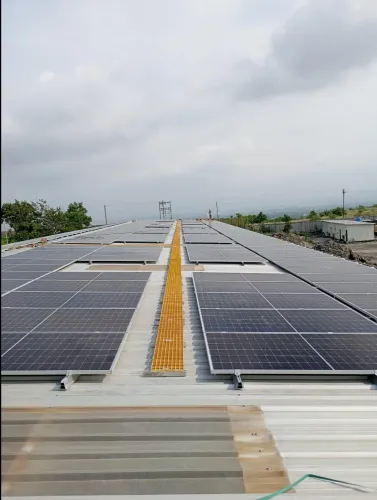
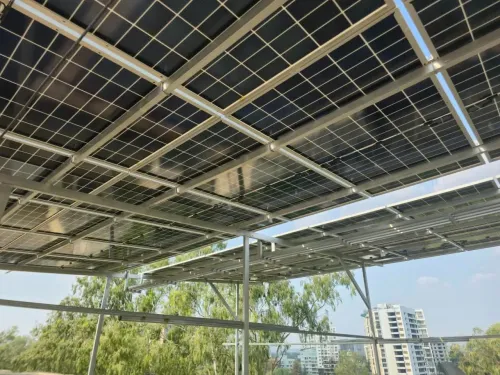
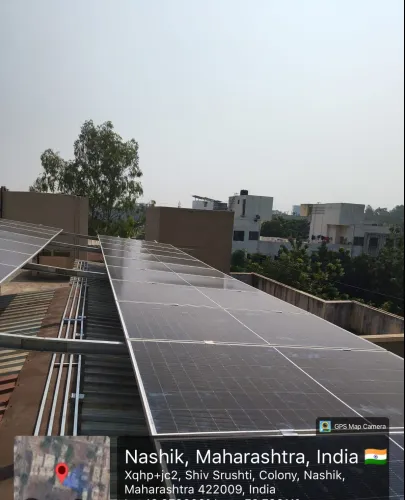
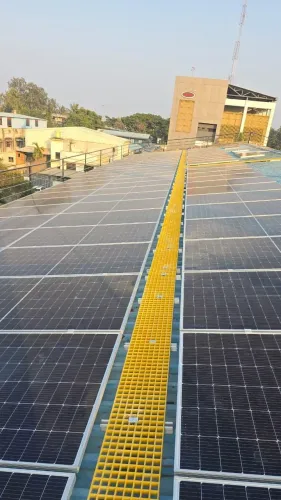
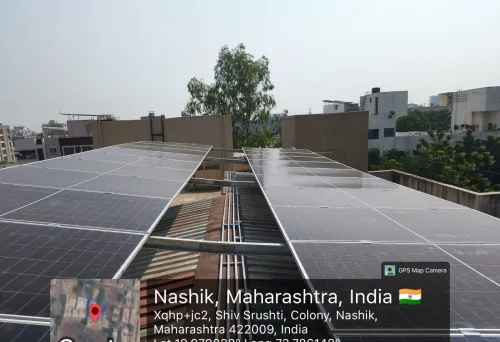
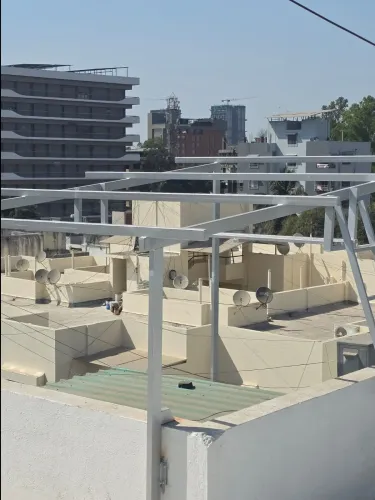
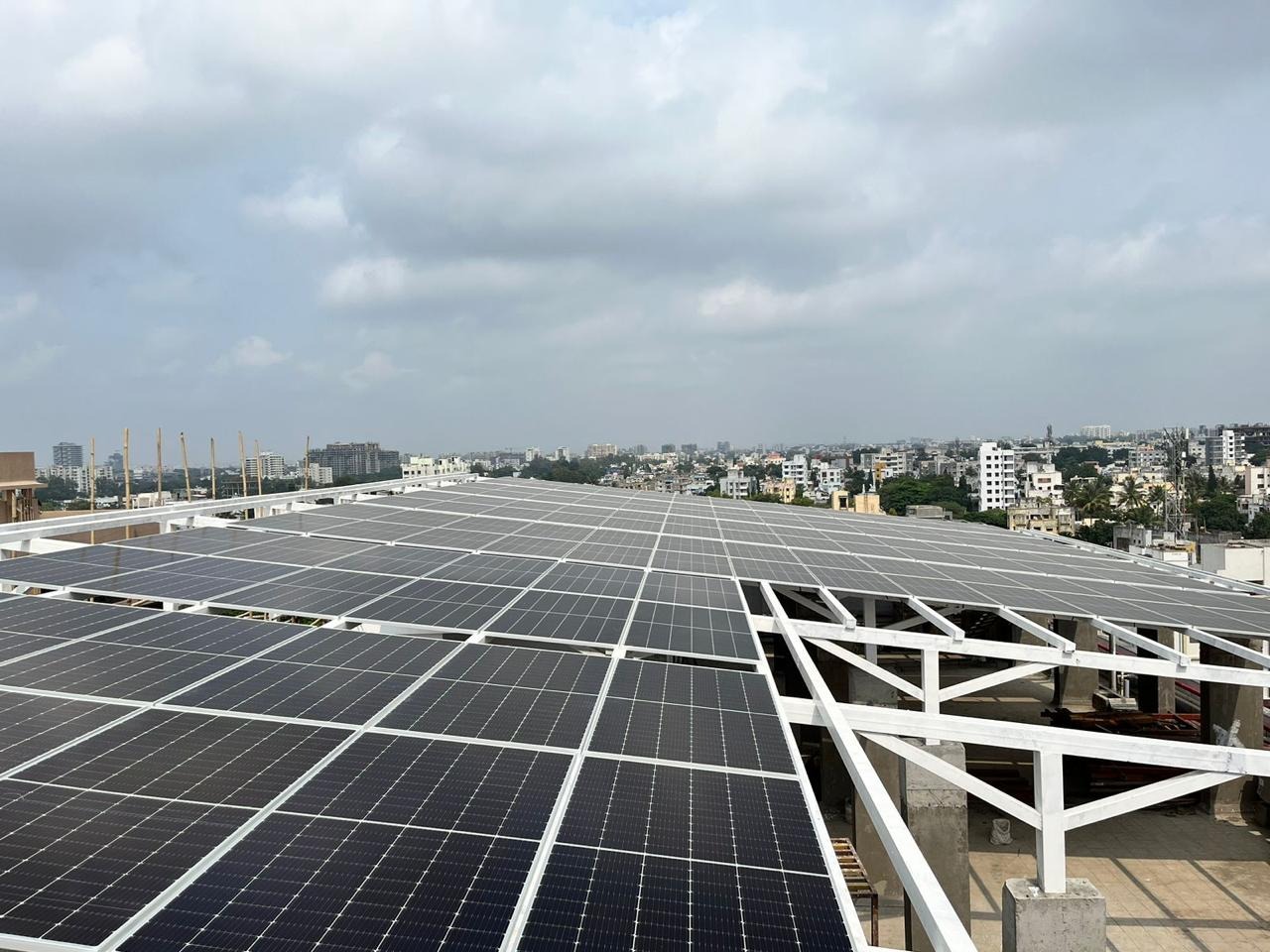
Are you looking for reliable solar power for your factory to reduce electricity bills and improve energy efficiency? NJ Engineering provides comprehensive Solar EPC solutions for residential, commercial, and industrial projects. We help factories and manufacturing units adopt rooftop solar power systems using quality solar panels from brands such as Aavaada, Waaree, Goldi, and Adani, subject to project requirements and product availability.
Industrial electricity consumption can significantly increase operating costs. By installing a suitable factory rooftop solar system, businesses can generate their own electricity, reduce dependence on grid power, and lower their carbon footprint.
Why Is Solar Power Important for Factories?
Factories require electricity to operate machinery, production lines, lighting, ventilation, and other equipment. Solar power offers an opportunity to meet part of this demand with renewable energy.
NJ Engineering helps industrial businesses explore customized rooftop solar solutions based on electricity consumption, available roof space, operating schedules, and project requirements.
Benefits of Solar Power for Factory
1. Reduce Electricity Bills
A factory rooftop solar system generates electricity from sunlight, helping reduce the amount of electricity purchased from the grid. Factories with significant daytime power consumption may benefit from greater on-site use of solar energy.
2. Reduce Carbon Footprints
Solar energy is a renewable source of electricity. Using solar power can reduce a factory's reliance on grid electricity and help lower its associated operational carbon emissions.
3. Quality Solar Panel Options
NJ Engineering can help customers evaluate solar panels from Aavaada, Waaree, Goldi, and Adani according to their technical specifications, efficiency, availability, warranty terms, and project budget.
4. Customized Industrial Solar Solutions
Every factory has different energy requirements. The appropriate solar system capacity depends on electricity bills, daytime consumption, rooftop area, roof structure, and electrical infrastructure.
5. Long-Term Energy Cost Management
A suitable solar installation can help businesses manage electricity expenses over the long term. Actual savings and payback periods depend on project cost, energy generation, electricity tariffs, and consumption patterns.
6. Support Sustainable Manufacturing
Adopting rooftop solar can support environmental goals and help industrial businesses move toward cleaner energy use.
Solar Panels for Factory Rooftop Installation
Choosing suitable solar panels is an important part of planning an industrial solar power system. NJ Engineering helps customers consider different solar panel options for factory rooftops.
- Aavaada Solar Panels: An option to evaluate for suitable solar projects based on product availability and specifications.
- Waaree Solar Panels: Consider panel efficiency, module specifications, and project compatibility.
- Goldi Solar Panels: Evaluate available modules according to factory energy requirements and installation conditions.
- Adani Solar Panels: Compare available module specifications, performance characteristics, and warranty terms.
The final selection should be based on verified manufacturer specifications, applicable certifications, product availability, and the technical requirements of the project.
Why Choose NJ Engineering for Factory Solar Installation?
NJ Engineering provides Solar EPC solutions for residential, commercial, and industrial customers. Our goal is to help businesses identify suitable solar power systems that align with their electricity requirements and operational objectives.
Our services can include:
- Industrial rooftop solar system planning and design
- Solar panel and equipment selection
- System capacity assessment based on electricity consumption
- Solar installation and commissioning
- Project coordination and technical support according to the agreed scope
- Assistance in evaluating potential electricity bill savings
Whether you operate a manufacturing plant, warehouse, workshop, or industrial facility, NJ Engineering can help you explore an appropriate rooftop solar solution.
How Does a Factory Solar Power System Work?
A rooftop solar system converts sunlight into direct current (DC) electricity through solar panels. An inverter converts this into alternating current (AC) electricity for compatible factory equipment.
The solar system supplies electricity to the factory's loads when generation is available. If demand exceeds solar generation, additional electricity may be drawn from the grid. Surplus electricity may be exported where the system design and applicable regulations allow it.
Actual performance depends on sunlight, system capacity, equipment efficiency, roof orientation, shading, and factory electricity consumption.
Is Solar Power a Good Investment for Factories?
Solar power can be a valuable investment for factories with suitable rooftop space and substantial daytime electricity demand. Before installation, businesses should review their electricity bills, sanctioned load, operating hours, roof condition, and applicable utility requirements.
NJ Engineering can help evaluate these factors to develop a project-specific proposal. A detailed assessment is the best way to estimate potential savings, system capacity, and payback period.
Frequently Asked Questions About Solar Power for Factory
1. What is solar power for a factory?
Solar power for a factory is a system that uses solar panels to generate electricity for manufacturing equipment, machinery, lighting, and other industrial operations.
2. Can solar power reduce factory electricity bills?
Yes. A properly designed rooftop solar system can reduce electricity purchased from the grid. The amount saved depends on solar generation, factory operating hours, electricity tariffs, and how much generated electricity is consumed on-site.
3. Which solar panel brands are available for factory installations?
NJ Engineering can help customers evaluate Aavaada, Waaree, Goldi, and Adani Solar Panels, subject to availability and project suitability. The final choice should be based on technical specifications, warranty terms, and budget.
4. How do I choose the right solar capacity for my factory?
Solar capacity is determined by electricity consumption, daytime demand, available rooftop area, electrical infrastructure, and the desired level of grid dependence. Reviewing recent electricity bills is a useful starting point.
5. Does factory rooftop solar help reduce carbon emissions?
Yes. Solar power can reduce reliance on grid electricity and lower associated operational carbon emissions. The actual reduction depends on solar generation and the emissions associated with the electricity being replaced.
6. Does NJ Engineering provide industrial Solar EPC services?
Yes. NJ Engineering provides Solar EPC solutions for residential, commercial, and industrial projects. The agreed scope can cover planning, engineering, equipment selection, installation, and commissioning.
7. How much can a factory save with solar power?
Savings vary from one factory to another. Electricity tariffs, solar capacity, daily energy consumption, system cost, and applicable billing rules all affect the final savings. A site assessment and electricity bill analysis can provide a more realistic estimate.
8. Can solar panels power a factory at night?
Solar panels generate electricity when sufficient sunlight is available. At night, a factory generally uses grid electricity or a suitably designed battery storage system if one is installed.
9. How can I get a quotation for factory solar installation?
Contact NJ Engineering with your factory location, recent electricity bills, approximate monthly consumption, and available rooftop area. These details help determine a suitable system design and prepare a project proposal.
Contact NJ Engineering for Solar Power for Factory
Looking to reduce electricity bills and carbon footprints with industrial rooftop solar?
Choose NJ Engineering for customized Solar EPC solutions and assistance in evaluating solar panels from Aavaada, Waaree, Goldi, and Adani.
NJ Engineering – Solar EPC Solutions for Residential, Commercial, and Industrial Projects.
Contact NJ Engineering to discuss your factory's electricity requirements and explore the benefits of rooftop solar power.
Keywords