ection should be based on verified manufacturer specifications, product availability, applicable certifications, and site requirements.
Why Choose N. J. Engineering for Solar EPC Solutions?
N. J. Engineering is dedicated to delivering sustainable and clean energy solutions for residential, commercial, and industrial clients. With a team of experienced professionals and a focus on innovation, we aim to help customers generate and consume electricity more efficiently.
Our solar services can include:
- Industrial rooftop solar project planning
- Solar system design and capacity assessment
- Solar panel and equipment selection
- Installation and commissioning
- Project coordination and technical support according to the agreed scope
- Evaluation of potential electricity bill savings
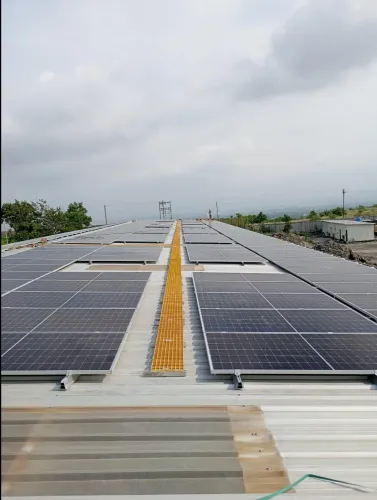
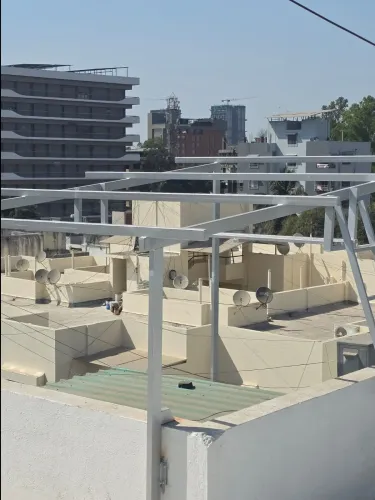
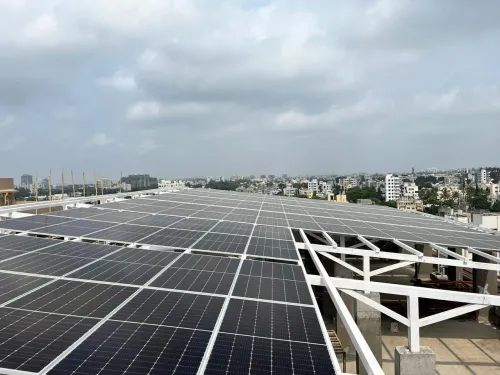
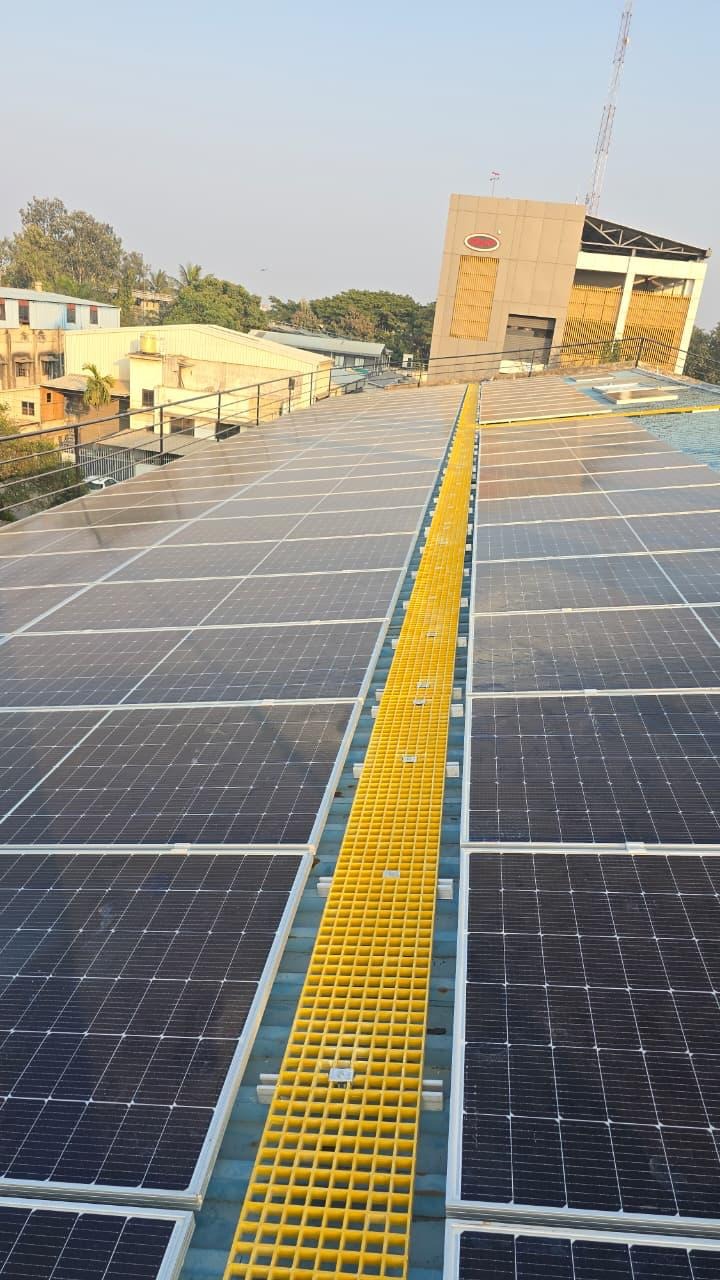
Whether you operate a manufacturing plant, warehouse, workshop, or industrial facility, N. J. Engineering can help you explore a factory solar power system suited to your energy needs.
How Does a Factory Solar Power System Work?
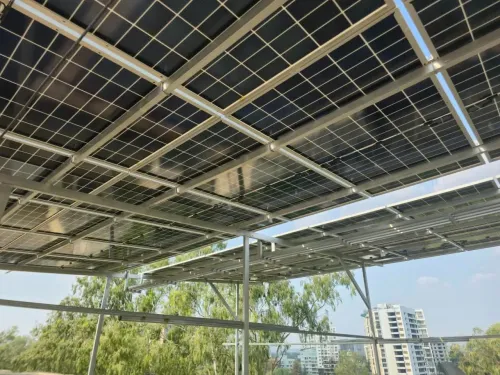
Solar panels convert sunlight into direct current (DC) electricity. An inverter converts this into alternating current (AC) electricity that compatible factory equipment can use.
During daylight hours, solar electricity can supply part of the factory's energy demand. If electricity consumption exceeds solar generation, the factory can draw the additional power from the grid. Surplus electricity may be exported where permitted by the system configuration and applicable electricity regulations.
The performance of a solar system depends on sunlight, system capacity, panel orientation, shading, inverter efficiency, and electricity consumption patterns.
Is Solar Power a Good Investment for Factories?
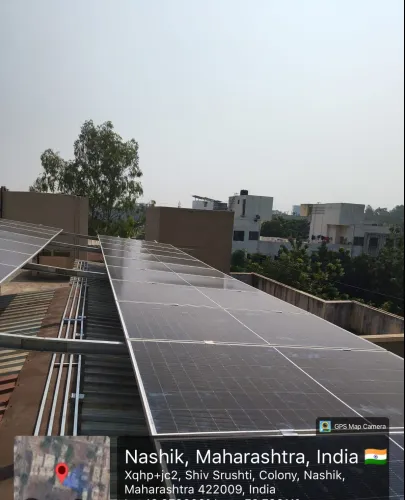
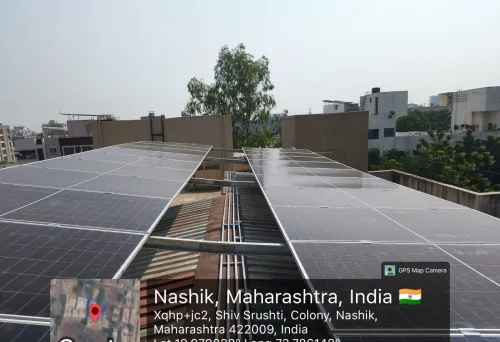
Factory rooftop solar can be a worthwhile long-term investment for businesses with suitable rooftop space and substantial daytime electricity consumption.
Before installing a system, businesses should evaluate electricity bills, operating schedules, available roof space, electrical infrastructure, installation costs, and applicable utility requirements.
N. J. Engineering can help assess these factors and explore an appropriate Solar EPC solution for your factory.
Frequently Asked Questions About Solar Power for Factory
1. What is solar power for a factory?
Solar power for a factory is a system that uses solar panels to generate electricity for machinery, production lines, lighting, offices, and other industrial operations.
2. Can solar power reduce factory electricity bills?
Yes. A properly designed factory rooftop solar system can reduce grid electricity consumption and help lower electricity bills. Savings depend on system capacity, solar generation, electricity tariffs, and the amount of solar electricity consumed on-site.
3. Which solar panel brands can be considered for factory installations?
Aavaada, Waaree, Goldi, and Adani are solar panel brands that customers can evaluate for suitable projects. N. J. Engineering can help assess available options according to project specifications and product availability.
4. How much solar capacity does my factory need?
The required solar capacity depends on monthly electricity consumption, daytime demand, available rooftop area, roof condition, and electrical infrastructure. Reviewing recent electricity bills is a useful first step in estimating the appropriate capacity.
5. How does factory solar power reduce carbon footprints?
Solar power generates electricity without directly burning fossil fuels during operation. Replacing some grid electricity with solar generation can reduce associated carbon emissions, depending on the electricity source being displaced.
6. Does N. J. Engineering provide industrial Solar EPC services?
Yes. N. J. Engineering provides Solar EPC solutions for residential, commercial, and industrial customers. Services can include planning, engineering, equipment selection, installation, and commissioning, according to the agreed project scope.
7. How much money can a factory save with solar power?
Savings vary according to solar capacity, installation cost, electricity tariffs, solar generation, and factory operating hours. A site assessment and electricity bill analysis can help estimate potential savings and payback.
8. Can a factory use solar power at night?
Solar panels generate electricity when sufficient sunlight is available. At night, a factory generally uses grid electricity or a suitably designed battery storage system if one is installed.
9. How can I get a quotation for factory rooftop solar installation?
Contact N. J. Engineering with your factory location, recent electricity bills, monthly electricity consumption, and available rooftop area. These details can help our team evaluate your requirements and prepare a suitable proposal.
10. Why should factories choose rooftop solar energy?
Rooftop solar can help factories reduce grid electricity consumption, manage energy costs, and lower associated carbon emissions. Its suitability depends on the factory's energy demand, roof conditions, project economics, and electrical requirements.
Contact N. J. Engineering for Solar Power for Factory
Looking to reduce electricity bills and carbon footprints with industrial rooftop solar?
Choose N. J. Engineering for Solar EPC solutions tailored to residential, commercial, and industrial requirements. Explore suitable solar panel options from Aavaada, Waaree, Goldi, and Adani for your factory project.
N. J. Engineering – Sustainable Solar EPC Solutions for a Cleaner Future.
Email: njengineering31@gmail.com
Phone: +91 88055 64160
Contact our team to discuss your factory's energy requirements and explore the benefits of rooftop solar power.
Keywords