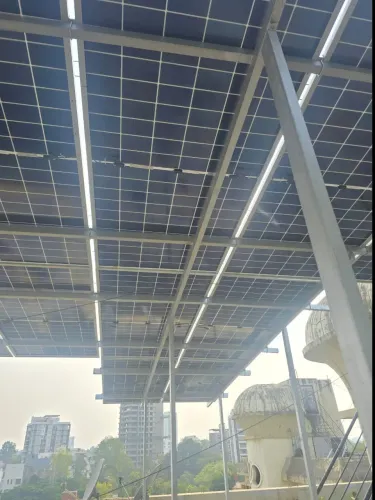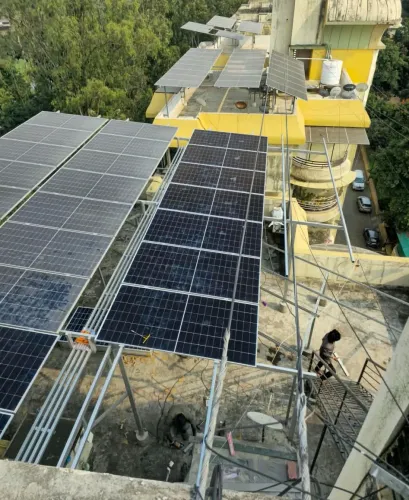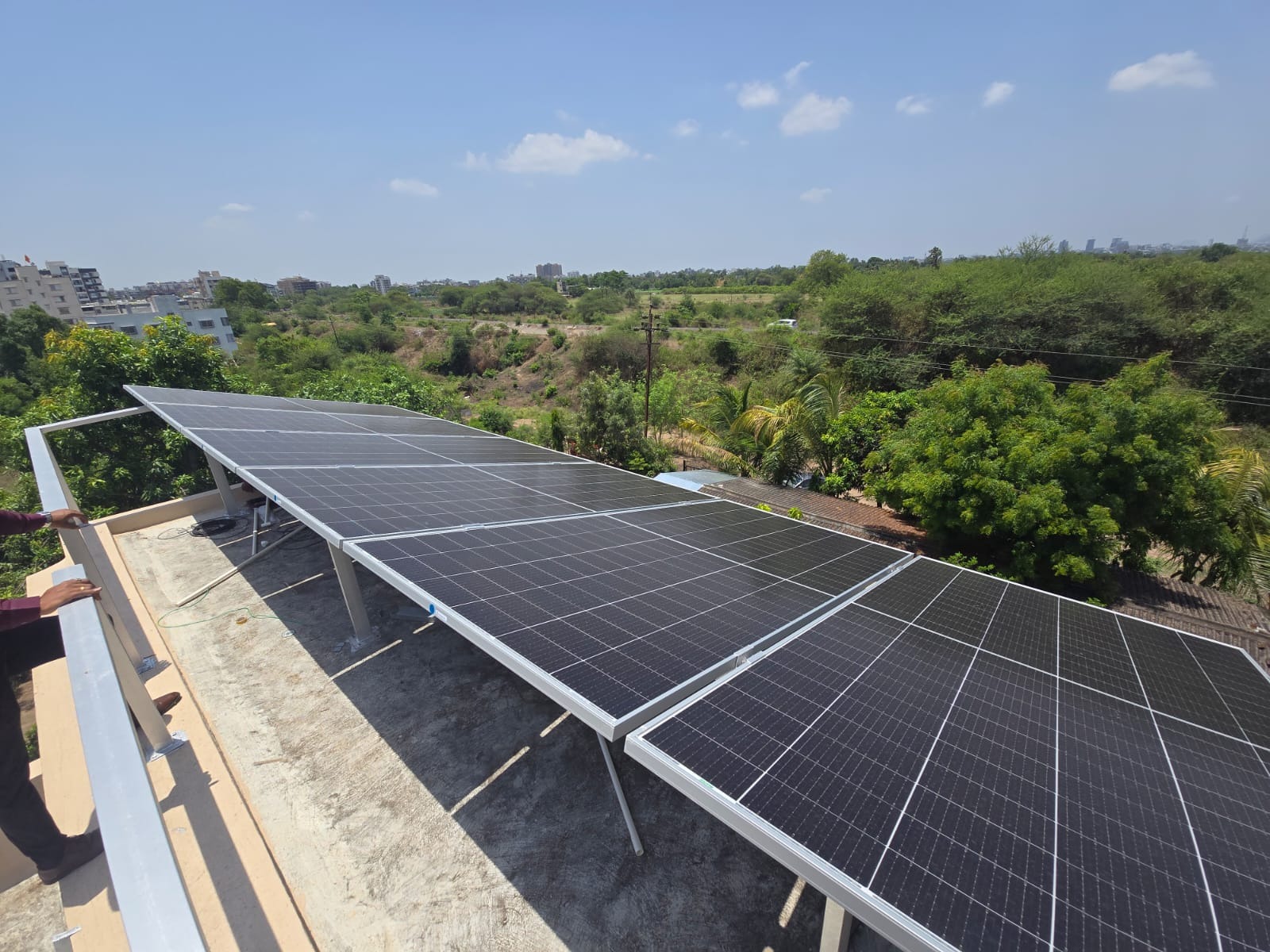
Solar Power For Factory – Reduce Industrial Electricity Costs with NJ Engineering
Introduction
Are you looking for reliable Solar Power For Factory solutions to reduce electricity bills and improve energy efficiency? NJ Engineering provides solar EPC solutions for residential, commercial, and industrial clients, helping businesses adopt clean and sustainable energy.
Factories consume significant amounts of electricity to operate machinery, production lines, lighting, and other equipment. Installing a factory rooftop solar power system can help reduce dependence on grid electricity, control operating costs, and reduce carbon footprints.
NJ Engineering offers industrial solar solutions using quality solar panels from reputed brands, including Aavaada, Waaree, Goldi, and Adani, depending on project requirements and availability.
Why Choose Solar Power For Factory?
Industrial solar power systems allow factories to generate electricity from sunlight by utilizing available rooftop or suitable open spaces. This can be a practical solution for businesses looking to manage rising electricity expenses.
Key benefits include:
- Reduce Electricity Bills: Generate solar electricity to reduce the amount of power purchased from the grid.
- Reduce Carbon Footprints: Use renewable energy and help lower emissions associated with conventional electricity.
- Lower Operating Costs: Reduce long-term energy expenses when the system is properly designed and maintained.
- Efficient Rooftop Utilization: Make productive use of available factory rooftop space.
- Reliable Solar Technology: Choose suitable solar panels and system components based on factory energy requirements.
- Support Sustainable Manufacturing: Improve your business's environmental performance through clean energy adoption.
- Long-Term Energy Planning: Reduce exposure to a portion of future electricity price increases.
NJ Engineering – Industrial Solar EPC Solutions
NJ Engineering provides solar EPC solutions for residential, commercial, and industrial applications. Our approach focuses on selecting suitable equipment, planning the installation, and designing a solar power system according to the customer's site conditions and energy needs.
Our industrial solar solutions can include:
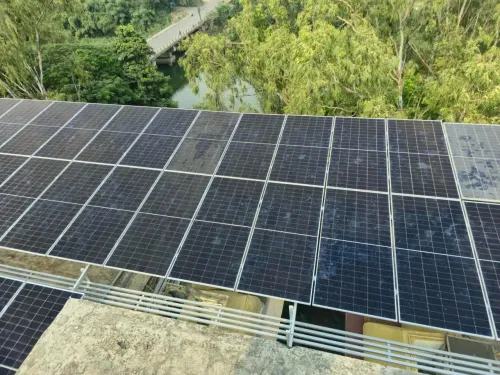
- Factory rooftop solar installation
- Industrial solar power systems
- Commercial rooftop solar solutions
- Solar panel selection and installation
- Solar inverter and electrical component integration
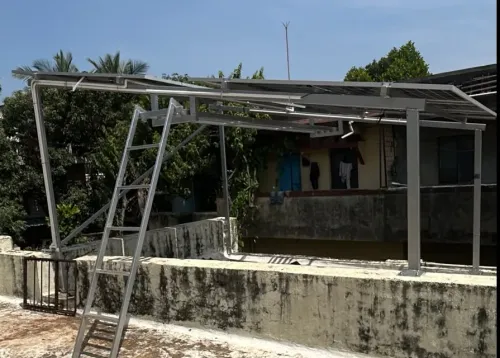
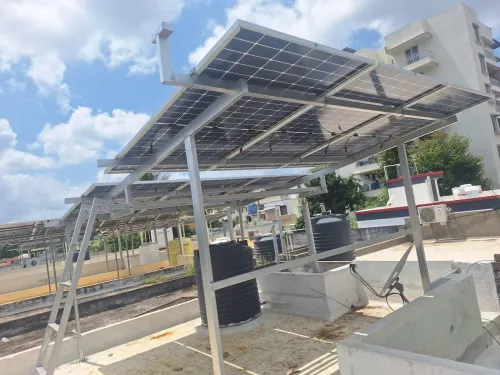
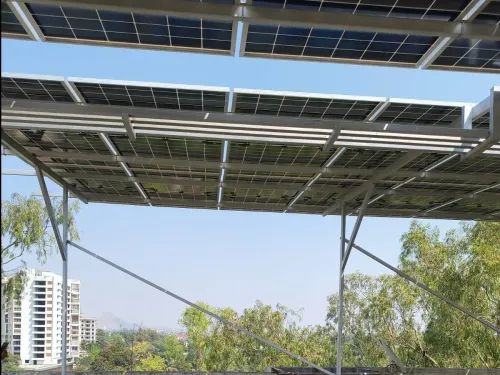
- Solar mounting structures
- System testing and commissioning
- Solar system maintenance and after-sales service
We focus on quality materials, suitable system design, and dependable service to help customers make informed decisions about their solar investments.
Solar Panels for Factory Rooftops
Selecting the right solar panels is an important step when planning an industrial solar installation. NJ Engineering can help customers explore suitable panel options from brands such as:
- Aavaada Solar Panels
- Waaree Solar Panels
- Goldi Solar Panels
- Adani Solar Panels
The final selection depends on factors such as panel wattage, available roof area, energy requirements, project budget, technical specifications, and product availability.
How Does a Factory Solar Power System Work?
A rooftop solar photovoltaic system converts sunlight into electricity through solar panels. An inverter converts the generated DC electricity into AC electricity that factory equipment can use.
During sunny periods, the factory can use the solar electricity being generated. If the factory requires more electricity than the solar system produces, the additional requirement may be supplied by the grid. Any export of surplus electricity depends on the system configuration, applicable regulations, and the approved metering arrangement.
A properly designed solar system can help factories use rooftop space effectively while reducing grid electricity consumption.
How NJ Engineering Helps Reduce Factory Electricity Bills
Every factory has different electricity consumption patterns, operating hours, roof conditions, and connected loads. NJ Engineering can assess these factors to help determine a suitable solar system capacity.
Our planning process considers:
- Reviewing electricity bills and energy consumption.
- Assessing available rooftop space and structural suitability.
- Evaluating suitable solar panels and inverter capacity.
- Planning the solar mounting structure and electrical installation.
- Designing the system according to site requirements and applicable standards.
- Providing installation, commissioning, and maintenance support as agreed for the project.
Actual savings depend on solar generation, factory operating hours, electricity tariffs, system capacity, and applicable utility policies.
Why Choose NJ Engineering for Solar Power For Factory?
Choosing an experienced solar EPC provider is important for a successful industrial solar project.
NJ Engineering supports residential, commercial, and industrial customers with solar solutions focused on quality, performance, and customer requirements.
Reasons to consider NJ Engineering include:
- Solar EPC solutions for different types of properties
- Solar panel options from established brands
- Solutions planned according to factory requirements
- Focus on quality materials and installation
- Maintenance and after-sales service
- Support for businesses looking to reduce electricity expenses and carbon footprints
Conclusion
Investing in Solar Power For Factory can be a valuable step towards reducing electricity costs and adopting cleaner energy. With suitable solar panels, professional system planning, and proper installation, factories can make better use of rooftop space and reduce their dependence on grid electricity.
Contact NJ Engineering to discuss industrial rooftop solar solutions tailored to your factory's energy requirements.
NJ Engineering – Solar EPC Solutions for Residential, Commercial, and Industrial Applications.
Frequently Asked Questions (FAQs)
1. What is Solar Power For Factory?
Solar Power For Factory refers to a solar photovoltaic system installed at a factory to generate electricity from sunlight. It can help reduce grid electricity consumption and support cleaner industrial operations.
2. What are the benefits of installing solar panels in a factory?
Factory solar panels can help reduce electricity bills, lower carbon footprints, utilize rooftop space, and improve long-term energy cost management.
3. Which solar panels are suitable for factory installations?
Suitable panels depend on the project's capacity, budget, roof space, technical requirements, and availability. NJ Engineering can help evaluate options from Aavaada, Waaree, Goldi, and Adani.
4. Can solar power reduce factory electricity bills?
Yes. Solar power can reduce electricity bills by supplying part of the factory's electricity demand. Actual savings depend on system size, solar generation, consumption patterns, and electricity tariffs.
5. How much rooftop space is required for a factory solar system?
The required space depends on the system capacity, selected panel wattage, roof layout, shading, maintenance access, and structural conditions. A site assessment is recommended for an accurate estimate.
6. Is rooftop solar suitable for small and large factories?
Yes. Rooftop solar can be considered for both small and large factories. The system capacity should be selected according to electricity consumption, available roof area, and project requirements.
7. Does NJ Engineering provide industrial solar EPC services?
NJ Engineering provides solar EPC solutions for residential, commercial, and industrial applications, including solutions for factory rooftop solar installations.
8. Does factory solar power help reduce carbon footprints?
Yes. Generating electricity from sunlight can reduce reliance on conventional grid electricity and may lower associated greenhouse gas emissions.
9. Does a factory solar system work at night?
Solar panels do not generate electricity at night. A grid-connected system can draw electricity from the grid when solar generation is unavailable. Battery storage may be considered where suitable.
10. How can I get a quotation for Solar Power For Factory?
Contact NJ Engineering to discuss your factory location, recent electricity bills, available rooftop area, and expected solar capacity. These details can help with an initial project assessment and quotation.
Contact NJ Engineering
Company: NJ Engineering
Services: Residential, Commercial and Industrial Solar EPC Solutions
Solar Solutions: Factory Rooftop Solar, Industrial Solar Power Systems and Commercial Solar Installations
Contact NJ Engineering to explore suitable solar power solutions for your factory.
Keywords